

Why Prohibition Fails: The Case for Smoke-Free Regulation in Sri Lanka
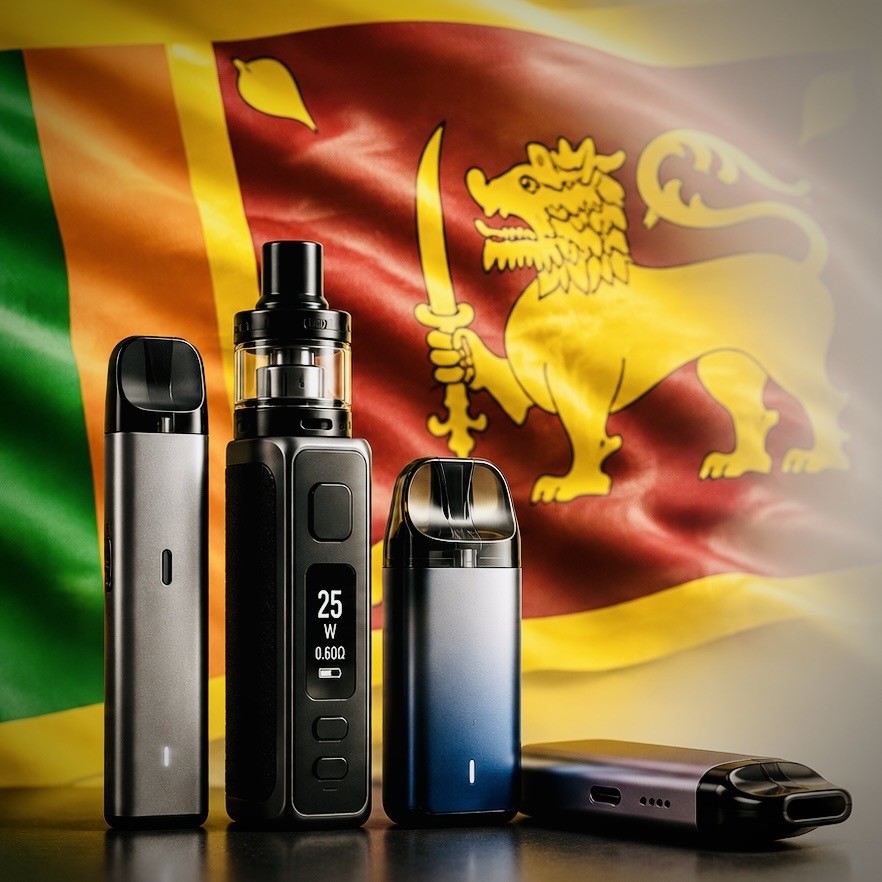

New Report Warns Sri Lanka’s Vape Prohibition Is Fueling Black Markets and Undermining Public Health
15 May 2026. Sri Jayawardenepura Kotte, Sri Lanka.
A new report released today by Prohibition Does Not Work (PDNW) warns that Sri Lanka’s prohibitionist approach to vapour products is fueling black markets, weakening consumer protections, and undermining efforts to reduce smoking. The report, Why Prohibition Fails: The Case for Smoke-Free Regulation in Sri Lanka, finds that despite strict restrictions, illegal vapour products are now widely available through informal retail networks, social media, and online sellers.
“Sri Lanka is learning the same lesson many countries around the world have already learned: prohibition does not eliminate demand. It simply hands the market to smugglers and criminal networks,” said Prohibition Does Not Work spokesman Tim Andrews. “The choice is not between vaping and no vaping. It is between a regulated market and a criminal one.”
The report notes that approximately 1.86 million Sri Lankan men still smoke and that tobacco-related disease remains a major public health burden. It also points to evidence from countries such as the United Kingdom, Sweden, and New Zealand showing that regulated access to lower-risk nicotine alternatives can accelerate declines in smoking rates. The report further warns that Sri Lanka risks repeating the mistakes seen in countries such as Australia and Brazil, where prohibition and excessive restrictions have fueled massive illicit markets.
- In Brazil, where vapour products have been banned since 2009, the illicit market reached approximately USD 1.03 billion in 2025.
- In Australia, restrictive policies have led to a black market worth between USD 750 million and USD 1.3 billion, accounting for an estimated 95.7% of total sales.
“Prohibition does not protect young people,” said Michael Ellis, former Assistant Director at Interpol and advisor to Prohibition Does Not Work. “Illegal dealers do not ask for ID, do not follow safety standards, and do not care who they sell to. If policymakers are serious about reducing smoking and protecting consumers, they need regulation grounded in evidence, not policies that strengthen illicit trade.”
“If Sri Lanka is serious about reducing smoking rates and cutting crime, it needs to end its failed prohibition of vapour products and replace it with an evidence-based regulatory framework that protects consumers instead of criminals,” Andrews concluded.
The full report is available HERE.
About Prohibition Does Not Work
Prohibition Does Not Work is a global advocacy platform highlighting the unintended consequences of prohibitionist policies and promoting evidence-based regulation that protects consumers, reduces harm, and supports public health goals.
ශ්රී ලංකාවේ වේප් තහනම නීති විරෝධී වෙළඳපොළ දිරිමත් කරන බවට සහ මහජන සෞඛ්යයට බාධා පමුණුවන බවට නව වාර්තාවක් අනතුරු අඟවයි
2026 මැයි 15, ශ්රී ජයවර්ධනපුර කෝට්ටේ, ශ්රී ලංකාව. ශ්රී ලංකාව විද්යුත් දුම්වැටි තහනම් කිරීමේ ප්රතිපත්තිය අනුගමනය කිරීම හේතුවෙන් නීති විරෝධී වෙළඳපොළවල් වර්ධනය වන බවත්, පාරිභෝගික ආරක්ෂාව දුර්වල වන බවත්, දුම්පානය අවම කිරීමට ගන්නා උත්සාහයන් අඩපණ වන බවත් ‘Prohibition Does Not Work’ (PDNW) සංවිධානය අද නිකුත් කළ නව වාර්තාවක් මඟින් අනතුරු අඟවයි. 'තහනම් කිරීම් අසාර්ක වන්නේ ඇයි: දුමෙන් තොර ශ්රී ලංකාවක් සඳහා වන නියාමන’ නම් වූ එම වාර්තාවට අනුව, දැඩි සීමා කිරීම් මධ්යයේ වුවද, අවිධිමත් වෙළඳ ජාල, සමාජ මාධ්ය සහ අන්තර්ජාලය හරහා නීති විරෝධී විද්යුත් දුම්වැටි නිෂ්පාදන බහුල වශයෙන් ලබාගත හැකි මට්ටමක පවතී.
"ලොව බොහෝ රටවල් මේ වන විටත් ඉගෙන ගෙන ඇති පාඩම ශ්රී ලංකාව ද දැන් අත්විඳිමින් සිටිනවා. එනම්, තහනම් කිරීම මඟින් පාරිභෝගික ඉල්ලුම නැති කළ නොහැකියි යන්නයි. එමගින් සිදු වන්නේ වෙළඳපොළ ජාවාරම්කරුවන්ට සහ අපරාධ කල්ලිවලට පවරා දීම පමණයි," යනුවෙන් PDNW ප්රකාශක ටිම් ඇන්ඩෲස් මහතා පැවසීය. "මෙහිදී අපට තෝරා ගැනීමට ඇත්තේ වේප් භාවිතය තිබීම හෝ නොතිබීම අතර තීරණයක් නොවෙයි. අපට ඇත්තේ නියාමනය කළ වෙළඳපොළක් සහ හොර වෙළඳපොළක් අතර තේරීමක් පමණයි."
ශ්රී ලංකාවේ පිරිමින් මිලියන 1.86ක් පමණ තවමත් දුම්පානය කරන බවත්, දුම්කොළ ආශ්රිත රෝග තවදුරටත් මහජන සෞඛ්යයට විශාල බරක් වී ඇති බවත් මෙම වාර්තාව පෙන්වා දෙයි. එසේම එක්සත් රාජධානිය, ස්වීඩනය සහ නවසීලන්තය වැනි රටවලින් ලැබෙන සාක්ෂි මගින් තහවුරු වන්නේ, හානිය අවම නිකොටින් විකල්ප සඳහා නියාමනය කළ අවසරයක් ලබා දීමෙන් දුම්පානය කරන ප්රමාණය ශීඝ්රයෙන් අඩු කළ හැකි බවයි. තවද, තහනම සහ අධික සීමා කිරීම් නිසා දැවැන්ත නීති විරෝධී වෙළඳපොළවල් නිර්මාණය වූ ඕස්ට්රේලියාව සහ බ්රසීලය වැනි රටවල් කළ වැරදිම ශ්රී ලංකාව ද නැවත කිරීමට අවදානමක් ඇති බවට මෙම වාර්තාව වැඩිදුරටත් අනතුරු අඟවයි."
- 2009 වසරේ සිට විද්යුත් දුම්වැටි නිෂ්පාදන තහනම් කර ඇති බ්රසීලයේ, 2025 වන විට නීති විරෝධී වෙළඳපොළේ වටිනාකම ආසන්න වශයෙන් ඇමරිකානු ඩොලර් බිලියන 1.03ක් දක්වා වර්ධනය වී ඇත.
- ඔස්ට්රේලියාවේ පවතින දැඩි සීමාකාරී ප්රතිපත්ති හේතුවෙන් ඇමරිකානු ඩොලර් මිලියන 750ක් සහ බිලියන 1.3ක් අතර අගයක පවතින නීති විරෝධී වෙළඳපොළක් නිර්මාණය වී ඇති අතර, එය එරට මුළු අලෙවියෙන් 95.7%ක් පමණ වේ යැයි ගණන් බලා ඇත.
"තහනම මගින් තරුණ පරපුර ආරක්ෂා වන්නේ නැහැ," යනුවෙන් ඉන්ටර්පෝල්හි හිටපු සහකාර අධ්යක්ෂ සහ PDNW හි උපදේශක මයිකල් එලිස් මහතා පැවසීය. "නීති විරෝධී වෙළෙන්දන් හැඳුනුම්පත් පරීක්ෂා කරන්නේ නැහැ, ප්රමිතීන් අනුගමනය කරන්නේ නැහැ, වගේම ඔවුන් විකුණන්නේ කාටද යන්න පිළිබඳව කිසිදු තැකීමක් කරන්නෙත් නැහැ. ප්රතිපත්ති සම්පාදකයින් දුම්පානය අඩු කිරීමට සහ පාරිභෝගිකයින් ආරක්ෂා කිරීමට සැබැවින්ම උත්සාහ කරන්නේ නම්, ඔවුන්ට අවශ්ය වන්නේ නීති විරෝධී වෙළඳාම ශක්තිමත් කරන ප්රතිපත්ති නොව, සාක්ෂි මත පදනම් වූ නියාමනයක්."
"ශ්රී ලංකාව දුම්පානය කරන පිරිස අඩු කිරීමට සහ අපරාධ අවම කිරීම පිළිබඳ බැරෑරුම් ලෙස සිතන්නේ නම්, අසාර්ථක වී ඇති මෙම තහනම අවසන් කළ යුතුයි. ඒ සඳහා අපරාධකරුවන් නොව පාරිභෝගිකයා ආරක්ෂා කරන, විද්යාත්මක සාක්ෂි මත පදනම් වූ නියාමන රාමුවක් හඳුන්වා දිය යුතුයි," යනුවෙන් ඇන්ඩෲස් මහතා අවසාන වශයෙන් ප්රකාශ කළේය.
සම්පූර්ණ වාර්තාව මෙතැනින් ලබාගත හැක.
Prohibition Does Not Work (PDNW) පිළිබඳව:
PDNW යනු තහනම් කිරීමේ ප්රතිපත්තිවලින් ඇතිවන අහිතකර ප්රතිඵල පිළිබඳව අවධානය යොමු කරන ගෝලීය උපදේශන වේදිකාවකි. එය පාරිභෝගිකයින් ආරක්ෂා කරන, හානිය අවම කරන සහ මහජන සෞඛ්ය අරමුණු සඳහා සහය දක්වන සාක්ෂි මත පදනම් වූ නියාමනයන් ප්රවර්ධනය කිරීමට කටයුතු කරයි.
Stay up to date
Join our mailing list for expert insights and global updates.
